Buy meinkredit.eu ?
We are moving the project
meinkredit.eu .
Are you interested in purchasing the domain
meinkredit.eu ?
domain@kv-gmbh.de · 0541-91531010
Buy meinkredit.eu ?
Does the alloy rust?
No, the alloy does not rust. Unlike iron or steel, which can rust when exposed to moisture and oxygen, alloys are typically made by combining two or more metallic elements to enhance their properties, such as strength, durability, and resistance to corrosion. Therefore, alloys are less prone to rusting and are often used in applications where corrosion resistance is important. **
What is the difference between a wrought alloy and a cast alloy?
The main difference between a wrought alloy and a cast alloy lies in the manufacturing process. Wrought alloys are typically formed by shaping the metal while it is in a solid state through processes like rolling, forging, or extrusion. On the other hand, cast alloys are formed by pouring molten metal into a mold and allowing it to solidify. This difference in manufacturing processes can result in variations in the mechanical properties and microstructure of the final product. **
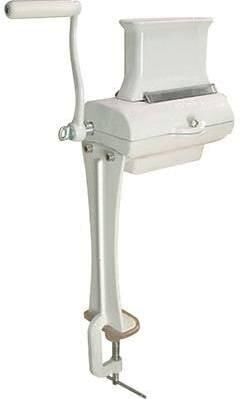
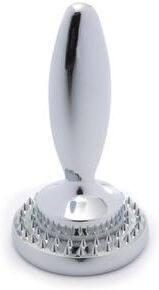
Similar search terms for Meat-Hammer-Alloy-Tenderizer
Top-Angebote
Products related to Meat-Hammer-Alloy-Tenderizer:
-
HIC Kitchen Dual Sided Meat Tenderizer Marinating Prep ToolHIC Kitchen's Dual Meat Tenderizer, with dual surfaces, is specially designed to flatten tender cuts into thin cutlets and break down the muscle fibers in tougher cuts for a more tender and consistent texture.27,29 $*Shipping: 0,00 $Secure redirect to the provider
-
Grill Mark Black/Clear ABS Plastic/Stainless Steel Meat TenderizerPremium 16 blade meat tenderizer. Shorten cooking times and get more flavorful results with the tool that professional chefs use. Use prior to marinating to allow spices and flavors to be absorbed quickly.34,49 $*Shipping: 0,00 $Secure redirect to the provider
-
Electric Meat Tenderizer - 200 W - 98 rpm - Royal Catering RCMT-351WWith the electric meat tenderiser, you can produce large quantities of tender meat in no time at all. No matter what type of meat you use in your commercial kitchen or butcher's shop, the meat will not only become more tender, but it will also absorb marinades and spices better. And of course, the meat tenderiser is perfect for the classic in every kitchen: the schnitzel. To ensure that you can work on the meat quickly, the tenderizer is equipped with a total power of 200 W and a speed of 98 rpm. You can easily put unprocessed pieces of meat into the generous feed chute. The meat should not be wider than 12.5 cm or thicker than 3 cm. On the 19 x 16 cm shelf under the tenderizer, you can easily place bowls for your meat. . Work safely with the electric meat tenderizing machine. The on/off switch is protected from water with a cover, so you can easily operate it with wet hands. Warning stickers draw your attention to the possible dangers during use. The non-slip rubber feet ensure a safe stand at all times.236,00 £*Shipping: 0,00 £Secure redirect to the provider


-
Is cast iron an alloy?
Yes, cast iron is considered an alloy. It is made by melting together iron and other elements, such as carbon and silicon, to create a material with specific properties. The addition of these elements changes the structure and characteristics of the iron, making it stronger and more resistant to wear and corrosion. **
-
What is a binary alloy?
A binary alloy is a type of alloy that is composed of two different elements. These elements are typically metals, such as copper and zinc in brass or iron and carbon in steel. Binary alloys are commonly used in various industries due to their unique properties and ability to be tailored to specific applications. The combination of the two elements in a binary alloy can result in enhanced strength, corrosion resistance, and other desirable characteristics. **
-
What is a K-alloy?
A K-alloy is a type of aluminum alloy that contains a combination of aluminum, copper, magnesium, and other elements. This alloy is known for its high strength, corrosion resistance, and lightweight properties, making it suitable for a wide range of applications in industries such as aerospace, automotive, and marine. K-alloys are often used in the manufacturing of aircraft components, automotive parts, and marine equipment due to their excellent mechanical properties and durability. **
-
What is a metal alloy?
A metal alloy is a mixture of two or more metallic elements, or a metallic element and a non-metallic element. The purpose of creating a metal alloy is to enhance the properties of the base metal, such as strength, hardness, corrosion resistance, and/or conductivity. Alloys are commonly used in a wide range of applications, including construction, manufacturing, and electronics, due to their ability to combine the desirable characteristics of different metals. Examples of metal alloys include steel (iron and carbon), brass (copper and zinc), and bronze (copper and tin). **

What is an ore alloy?
An ore alloy is a mixture of two or more metallic elements, where at least one of the elements is a metal and the other may be a metal or a non-metal. These alloys are typically formed by combining a base metal with one or more other elements to enhance its properties, such as strength, hardness, or corrosion resistance. Common examples of ore alloys include steel (iron and carbon), brass (copper and zinc), and bronze (copper and tin). Ore alloys are widely used in various industries, including construction, manufacturing, and transportation, due to their desirable properties and versatility. **
How does the alloy discolor?
Alloys can discolor due to a variety of reasons, including exposure to air, moisture, and chemicals. Oxidation is a common cause of discoloration in alloys, where the metal reacts with oxygen in the air to form a layer of tarnish. Additionally, exposure to certain chemicals or environmental factors can cause the alloy to corrode or develop a patina, leading to discoloration. Improper cleaning or maintenance of the alloy can also contribute to its discoloration over time. **
Top-Angebote
Products related to Meat-Hammer-Alloy-Tenderizer:
-
Household Essentials Reversible Dual Use Meat TenderizerAdd the Reversible Meat Tenderizer to any kitchen for a professional upgrade in both style and function. Designed with a sleek ergonomic handle, this tenderizer offers superior leverage and comfort.28,34 $*Shipping: 0,00 $Secure redirect to the provider
-
HIC Kitchen Dual Sided Meat Tenderizer Marinating Prep ToolHIC Kitchen's Dual Meat Tenderizer, with dual surfaces, is specially designed to flatten tender cuts into thin cutlets and break down the muscle fibers in tougher cuts for a more tender and consistent texture.27,29 $*Shipping: 0,00 $Secure redirect to the provider
-
Grill Mark Black/Clear ABS Plastic/Stainless Steel Meat TenderizerPremium 16 blade meat tenderizer. Shorten cooking times and get more flavorful results with the tool that professional chefs use. Use prior to marinating to allow spices and flavors to be absorbed quickly.34,49 $*Shipping: 0,00 $Secure redirect to the provider
-
Does the alloy rust?
No, the alloy does not rust. Unlike iron or steel, which can rust when exposed to moisture and oxygen, alloys are typically made by combining two or more metallic elements to enhance their properties, such as strength, durability, and resistance to corrosion. Therefore, alloys are less prone to rusting and are often used in applications where corrosion resistance is important. **
-
What is the difference between a wrought alloy and a cast alloy?
The main difference between a wrought alloy and a cast alloy lies in the manufacturing process. Wrought alloys are typically formed by shaping the metal while it is in a solid state through processes like rolling, forging, or extrusion. On the other hand, cast alloys are formed by pouring molten metal into a mold and allowing it to solidify. This difference in manufacturing processes can result in variations in the mechanical properties and microstructure of the final product. **
-
Is cast iron an alloy?
Yes, cast iron is considered an alloy. It is made by melting together iron and other elements, such as carbon and silicon, to create a material with specific properties. The addition of these elements changes the structure and characteristics of the iron, making it stronger and more resistant to wear and corrosion. **
-
What is a binary alloy?
A binary alloy is a type of alloy that is composed of two different elements. These elements are typically metals, such as copper and zinc in brass or iron and carbon in steel. Binary alloys are commonly used in various industries due to their unique properties and ability to be tailored to specific applications. The combination of the two elements in a binary alloy can result in enhanced strength, corrosion resistance, and other desirable characteristics. **
Similar search terms for Meat-Hammer-Alloy-Tenderizer
-
Electric Meat Tenderizer - 200 W - 98 rpm - Royal Catering RCMT-351WWith the electric meat tenderiser, you can produce large quantities of tender meat in no time at all. No matter what type of meat you use in your commercial kitchen or butcher's shop, the meat will not only become more tender, but it will also absorb marinades and spices better. And of course, the meat tenderiser is perfect for the classic in every kitchen: the schnitzel. To ensure that you can work on the meat quickly, the tenderizer is equipped with a total power of 200 W and a speed of 98 rpm. You can easily put unprocessed pieces of meat into the generous feed chute. The meat should not be wider than 12.5 cm or thicker than 3 cm. On the 19 x 16 cm shelf under the tenderizer, you can easily place bowls for your meat. . Work safely with the electric meat tenderizing machine. The on/off switch is protected from water with a cover, so you can easily operate it with wet hands. Warning stickers draw your attention to the possible dangers during use. The non-slip rubber feet ensure a safe stand at all times.236,00 £*Shipping: 0,00 £Secure redirect to the provider
-
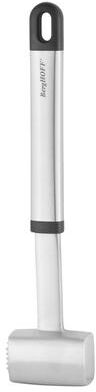
"BergHOFF Balance Cast Aluminum Meat Hammer 6.75""""Talk about a two-for-one deal! This Leo Balance Cast Aluminum Meat Hammer 6.75"" is perfect for both tenderizing and flatting meats and poultry. This double-sized hammer is crafted from high-quality and durable cast aluminum with soft touch PP handle."47,99 $*Shipping: 0,00 $Secure redirect to the provider
-
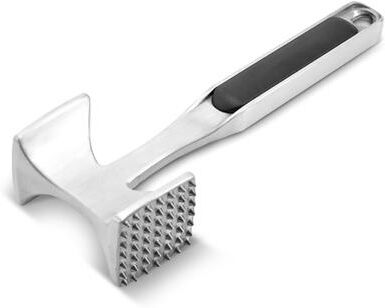
Cheer Collection Multi Sided Meat Tenderizer Lightweight Aluminum Tool for Tenderizing and FlatteningElevate your home cooking with the Cheer Collection Multi Sided Meat Tenderizer, a versatile kitchen essential designed for tenderizing, flattening, and creating gourmet results with ease.22,79 $*Shipping: 0,00 $Secure redirect to the provider
-
What is a K-alloy?
A K-alloy is a type of aluminum alloy that contains a combination of aluminum, copper, magnesium, and other elements. This alloy is known for its high strength, corrosion resistance, and lightweight properties, making it suitable for a wide range of applications in industries such as aerospace, automotive, and marine. K-alloys are often used in the manufacturing of aircraft components, automotive parts, and marine equipment due to their excellent mechanical properties and durability. **
-
What is a metal alloy?
A metal alloy is a mixture of two or more metallic elements, or a metallic element and a non-metallic element. The purpose of creating a metal alloy is to enhance the properties of the base metal, such as strength, hardness, corrosion resistance, and/or conductivity. Alloys are commonly used in a wide range of applications, including construction, manufacturing, and electronics, due to their ability to combine the desirable characteristics of different metals. Examples of metal alloys include steel (iron and carbon), brass (copper and zinc), and bronze (copper and tin). **
-
What is an ore alloy?
An ore alloy is a mixture of two or more metallic elements, where at least one of the elements is a metal and the other may be a metal or a non-metal. These alloys are typically formed by combining a base metal with one or more other elements to enhance its properties, such as strength, hardness, or corrosion resistance. Common examples of ore alloys include steel (iron and carbon), brass (copper and zinc), and bronze (copper and tin). Ore alloys are widely used in various industries, including construction, manufacturing, and transportation, due to their desirable properties and versatility. **
-
How does the alloy discolor?
Alloys can discolor due to a variety of reasons, including exposure to air, moisture, and chemicals. Oxidation is a common cause of discoloration in alloys, where the metal reacts with oxygen in the air to form a layer of tarnish. Additionally, exposure to certain chemicals or environmental factors can cause the alloy to corrode or develop a patina, leading to discoloration. Improper cleaning or maintenance of the alloy can also contribute to its discoloration over time. **
* All prices are inclusive of VAT and, if applicable, plus shipping costs. The offer information is based on the details provided by the respective shop and is updated through automated processes. Real-time updates do not occur, so deviations can occur in individual cases. ** Note: Parts of this content were created by AI.