Buy meinkredit.eu ?
We are moving the project
meinkredit.eu .
Are you interested in purchasing the domain
meinkredit.eu ?
domain@kv-gmbh.de · 0541-91531010
Buy meinkredit.eu ?
What does the archaeologist ask?
The archaeologist asks questions related to the past, such as how people lived, what they ate, what tools they used, and how they interacted with their environment. They also inquire about the significance of artifacts, structures, and other remains found at a site, seeking to understand the cultural, social, and economic aspects of ancient societies. Additionally, archaeologists may ask questions about the chronology of a site, trying to determine when specific events occurred and how they relate to broader historical contexts. **
Can one advance as an archaeologist?
Yes, one can advance as an archaeologist by gaining experience through fieldwork, research, and publications. Advancement opportunities can also come through pursuing higher education such as a master's or doctoral degree in archaeology or a related field. Building a strong network within the archaeological community, attending conferences, and collaborating with other professionals can also help in advancing one's career in archaeology. Additionally, seeking out leadership roles in archaeological projects or organizations can further contribute to career advancement in this field. **

Similar search terms for Archaeologist
Top-Angebote
Products related to Archaeologist:
-
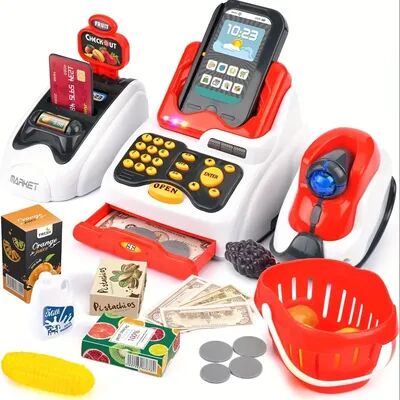
Perfect Picks Market Toy Cash Register For Kids, Checkout Scanner, Play Money Food Set, , Credit Card Machine, Fruit Card Reader Toy Cash Register For Kids, Checkout Scanner, Play Money Food Set, , Credit Card Machine, Fruit Card ReaderEngage Your Child with Playful Learning The 33PCS Toy Cash Register for Kids with Checkout Scanner is a perfect way to help children develop essential skills while having fun! Designed for little ones, this interactive toy includes a realistic...59,97 $*Shipping: 0,00 $Secure redirect to the provider
-
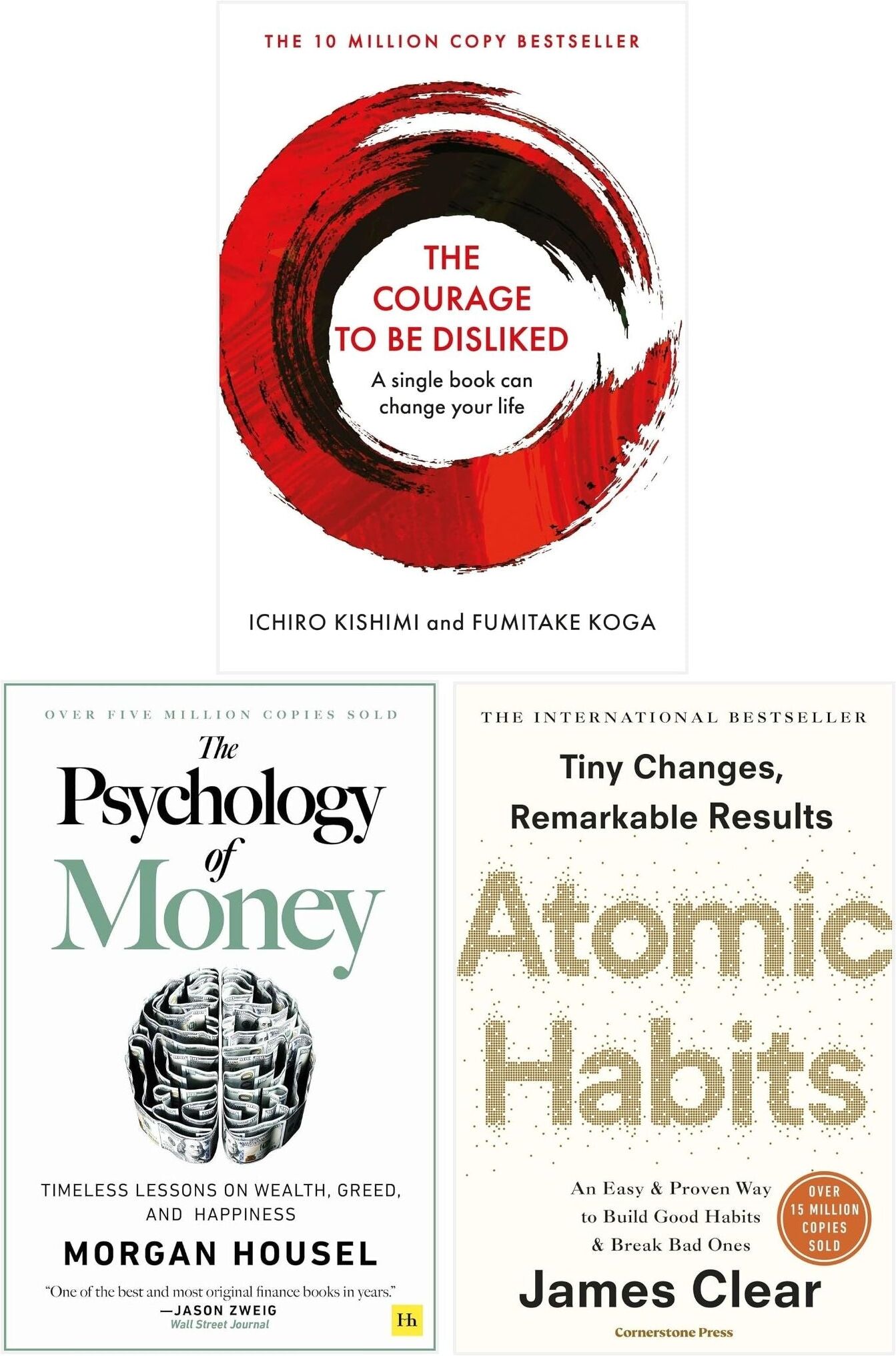
Harriman House The Psychology of Money, Atomic Habits & The Courage to Be Disliked – 3 Book Collection Set Bestselling Self-Development, Personal Finance, Self-HelUpgrade your mindset, habits, and financial thinking with this powerful 3-book collection set, featuring three of the most influential modern self-development titles. This essential bundle includes: The Psychology of Money by Morgan Housel – Discover how emotions and behaviour shape financial decisions and long-term wealth. Atomic Habits by James Clear – Learn how small habits can create powerful, lasting change. The Courage to Be Disliked by Ichiro Kishimi & Fumitake Koga** – Explore a transformative approach to happiness, freedom, and self-acceptance based on Adlerian psychology. Together, these books offer a complete guide to financial wisdom, personal growth, emotional resilience, and habit-building, making this set ideal for anyone looking to improve their life and mindset. Why Readers Love This Collection: Includes 3 bestselling modern self-development books Covers money, habits, mindset, and personal freedom Practical, easy-to-apply life lessons Perfect for beginners and experienced readers alike Ideal gift for motivation and self-improvement A must-have for anyone on a journey of personal growth, this collection delivers powerful insights for building a better, more successful life.22,99 £*Shipping: 2,99 £Secure redirect to the provider
-
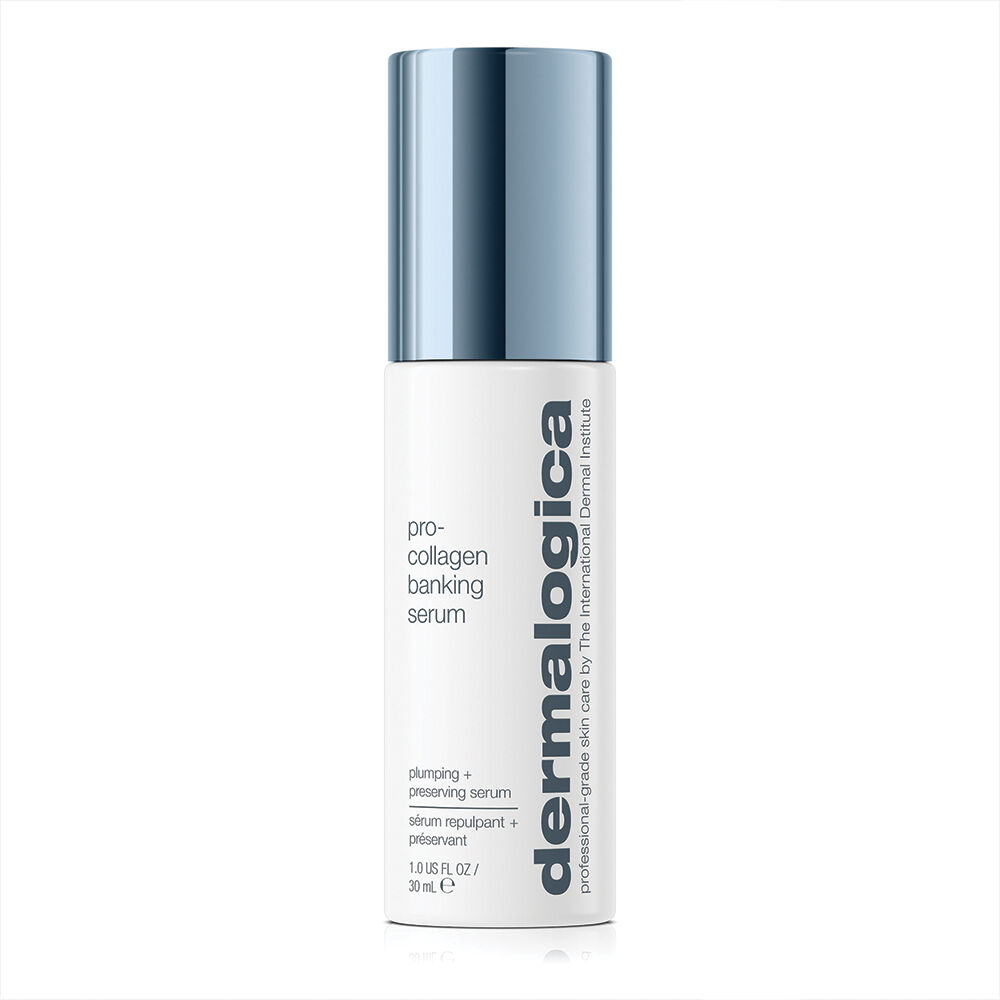
Dermalogica Pro-Collagen Banking Serum 30mlDiscover Dermalogica Pro-Collagen Banking Serum‚Äã. Promote, protect and preserve your skin's collagen with this innovative and nourishing serum from Dermalogica. This powerful serum supports visibly plumper, more luminous skin while hydrating to help reduce the appearance of fine lines. The Potent Pro-Collagen Preservation Complex helps save collagen by delivering an innovative blend of Collagen Amino Acids, Carnosine Dipeptide, and antioxidants which defend against collagen-degrading free radicals. Formulated with soothing Jojoba Ester and Polyglutamic Acid which work to nourish the skin's moisture barrier - this helps visibly plump the skin for a firmer appearance. Wild Indigo Extract and Arginine PCA help to restore the skin's radiance, while Pink Carnation Flower Extract helps improve skin's softness and overall resilience. Ingredients: Water/Aqua/Eau, Pentylene Glycol, Coco-Caprylate/Caprate, Glycerin, Propanediol, Simmondsia Chinensis (Jojoba) Seed Oil, Trehalose, Oryza Sativa (Rice) Bran Water, Butylene Glycol, Ethoxydiglycol, Triheptanoin, Arginine PCA, Diglycerin, Dipotassium Glycyrrhizate, Sodium Hyaluronate, Collagen Amino Acids, Glycine Soja (Soybean) Oil, Helianthus Annuus (Sunflower) Seed Oil, Citrus Aurantium Dulcis (Orange) Peel Oil, Citrus Aurantium Bergamia (Bergamot) Fruit Oil, Citrus Paradisi (Grapefruit) Peel Oil, Rosmarinus Officinalis (Rosemary) Leaf Extract, Cupressus Sempervirens Leaf/Nut/Stem Oil, Santalum Album (Sandalwood) Oil, Citrus Limon (Lemon) Peel Oil, Rosa Damascena Flower Oil, Jasminum Sambac (Jasmine) Flower Extract, Hydrolyzed Jojoba Esters, Oryza Sativa (Rice) Bran Extract, Aloe Barbadensis Leaf Extract, Tephrosia Purpurea Seed Extract, Helianthus Annuus (Sunflower) Extract, Juniperus Virginiana Oil, Tagetes Minuta Flower Oil, Rosmarinus Officinalis (Rosemary) Leaf Oil, Cistus Ladaniferus Leaf/Stem Extract, Hydrolyzed Rice Protein, Tocopheryl Acetate, Tocopherol, Phospholipids, Carnosine, Glyceryl Stearate Citrate, Caprylyl Glycol, Polyglutamic Acid, Glycolipids, Glycine Soja (Soybean) Sterols, Acrylates/C10-30 Alkyl Acrylate Crosspolymer, Glyceryl Caprylate, Sclerotium Gum, Polyquaternium-80, Didecyldimonium Chloride, Dianthus Caryophyllus Flower Extract, Xanthan Gum, Methylpropanediol, Cetearyl Alcohol, PEG-40 Hydrogenated Castor Oil, Ammonium Acryloyldimethyltaurate/Beheneth-25 Methacrylate Crosspolymer, Phytic Acid, Polysorbate 20, Tetrasodium Glutamate Diacetate, Citric Acid, Sodium Hydroxide, Sodium Polyacryloyldimethyl Taurate, Sodium Benzoate, Potassium Sorbate, Limonene, Linalool.89,00 £*Shipping: 0,00 £Secure redirect to the provider
-
Tiny Tots Teens Trends Smart Fingerprint Piggy Bank, Automatic Banking Children's Gift Box pinkIntroduce your child to the world of savings with the Electronic Piggy Bank the perfect tool for teaching financial responsibility in a fun and secure way. This Children's Cash Box offers a unique, smart fingerprint password lock system, providing...92,97 $*Shipping: 0,00 $Secure redirect to the provider

-
Can you advance as an archaeologist?
Yes, you can advance as an archaeologist by gaining more experience, pursuing higher education such as a master's or doctoral degree in archaeology or a related field, specializing in a specific area of archaeology, and conducting research and publishing your findings. Advancement opportunities may also include taking on leadership roles in archaeological projects, working for prestigious institutions, and collaborating with other experts in the field. Continuous learning, networking, and staying updated on the latest developments in archaeology are key to advancing in this career. **
-
How does one become an archaeologist?
To become an archaeologist, one typically needs to earn a bachelor's degree in archaeology, anthropology, or a related field. Some positions may require a master's or doctoral degree, especially for research or academic roles. It is also important to gain field experience through internships, volunteer work, or field schools. Developing strong research, analytical, and communication skills is essential for success in this field. Additionally, networking with professionals in the field and staying updated on current archaeological methods and technologies can help advance a career in archaeology. **
-
How do I become an archaeologist?
To become an archaeologist, you typically need a bachelor's degree in archaeology or a related field such as anthropology, history, or classics. It is also beneficial to gain fieldwork experience through internships or volunteer opportunities. Some archaeologists pursue advanced degrees, such as a master's or Ph.D., to specialize in a particular area of archaeology. Networking with professionals in the field and staying current with developments in archaeology are also important steps in becoming a successful archaeologist. **
-
What skills does an archaeologist need?
Archaeologists need a combination of technical skills, such as excavation techniques, artifact analysis, and mapping, as well as critical thinking and problem-solving skills to interpret findings. They also need strong research skills to analyze historical documents and data. Effective communication skills are essential for presenting findings to both academic audiences and the general public. Additionally, archaeologists need to be detail-oriented, patient, and have a passion for history and culture. **


Is there a similar profession to archaeologist?
Yes, a similar profession to archaeologist is anthropologist. Both archaeologists and anthropologists study human societies and cultures, but archaeologists focus on studying past human societies through the analysis of material remains such as artifacts, structures, and environmental data, while anthropologists study human societies and cultures in a broader sense, including their social, cultural, biological, and linguistic aspects. Both professions require a strong understanding of human history and culture, as well as the ability to conduct research and analyze data. **
Can one be a historian and archaeologist?
Yes, one can be a historian and an archaeologist. Historians study and interpret written records and documents to understand and analyze past events, while archaeologists study material remains such as artifacts, structures, and landscapes to reconstruct and understand past human cultures and societies. Both disciplines are complementary and often overlap in their research methods and goals, making it possible for individuals to be trained and work in both fields. This interdisciplinary approach can provide a more comprehensive understanding of the past. **
Top-Angebote
Products related to Archaeologist:
-
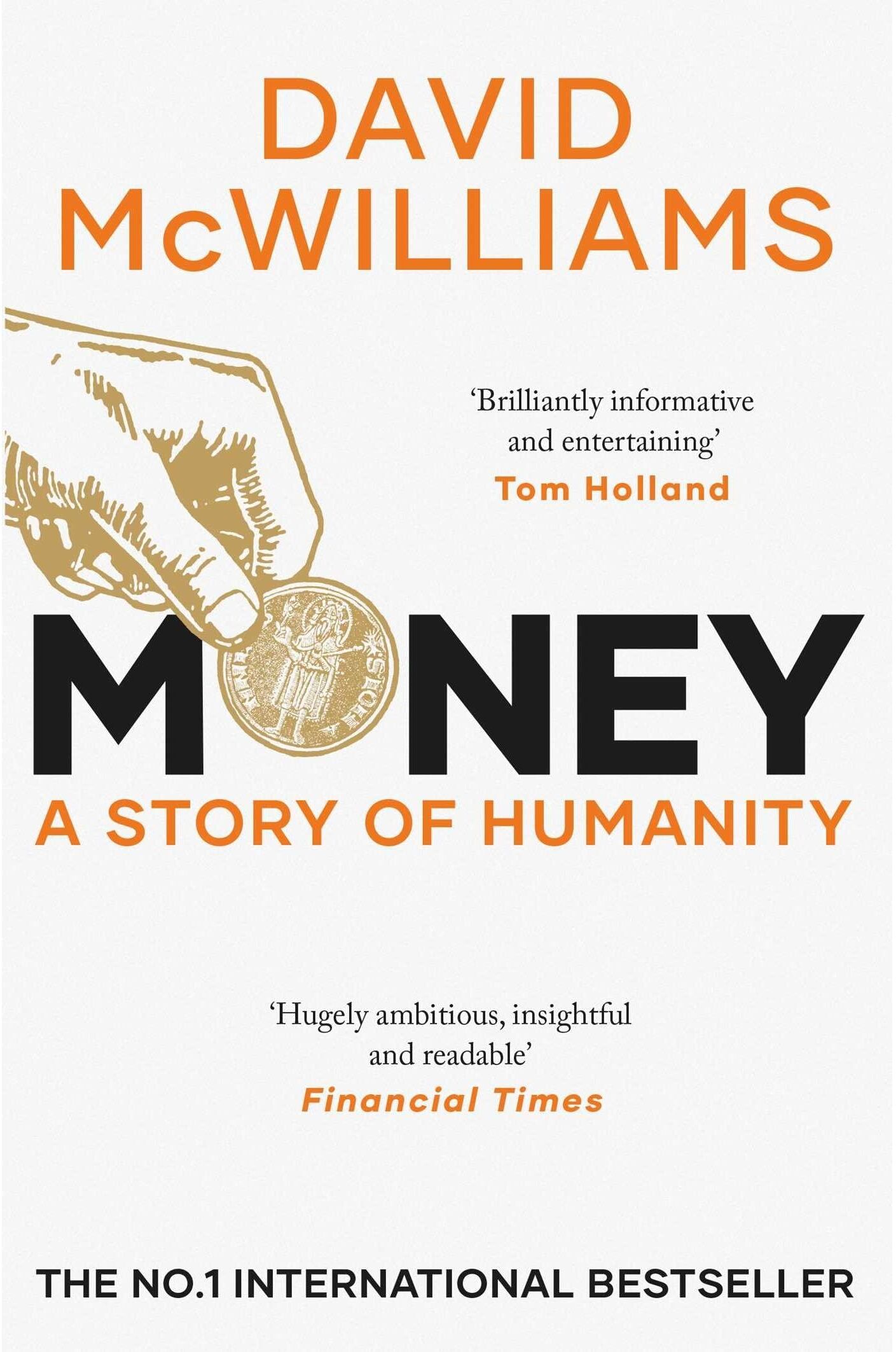
Simon & Schuster Money: A Story of Humanity by David McWilliams Economic History & Global Finance ExplainedIn Money: A Story of Humanity, renowned economist David McWilliams explores the fascinating history of money — not just as currency, but as a powerful force that has shaped human civilisation, relationships, technology, and global society. From ancient barter systems to cryptocurrency revolutions, McWilliams reveals how money reflects our values, ambitions, fears, politics, and culture.Rich with storytelling, sharp insights, and humour, this book makes complex economic ideas accessible, engaging, and deeply human. Perfect for readers who enjoy exploring how history, psychology, markets, and power intersect, Money: A Story of Humanity provides a fresh, eye-opening look at how money drives — and is driven by — human behaviour. Ideal for fans of Yuval Noah Harari, Tim Harford, Niall Ferguson, and Mary Beard.7,99 £*Shipping: 2,99 £Secure redirect to the provider
-
Inspire Daily Merch Smart Fingerprint Bank Childrens Cash Box Electronic Money Box Password Safe Automatic Banking pinkUnlock Smart Savings with the Electronic Piggy Bank Introducing the Electronic Piggy Bank, a revolutionary way for children to save money securely. This Children's Cash Box combines technology and fun, teaching kids the importance of saving with...37,97 $*Shipping: 0,00 $Secure redirect to the provider
-
Perfect Picks Market Toy Cash Register For Kids, Checkout Scanner, Play Money Food Set, , Credit Card Machine, Fruit Card Reader Toy Cash Register For Kids, Checkout Scanner, Play Money Food Set, , Credit Card Machine, Fruit Card ReaderEngage Your Child with Playful Learning The 33PCS Toy Cash Register for Kids with Checkout Scanner is a perfect way to help children develop essential skills while having fun! Designed for little ones, this interactive toy includes a realistic...59,97 $*Shipping: 0,00 $Secure redirect to the provider
-
Harriman House The Psychology of Money, Atomic Habits & The Courage to Be Disliked – 3 Book Collection Set Bestselling Self-Development, Personal Finance, Self-HelUpgrade your mindset, habits, and financial thinking with this powerful 3-book collection set, featuring three of the most influential modern self-development titles. This essential bundle includes: The Psychology of Money by Morgan Housel – Discover how emotions and behaviour shape financial decisions and long-term wealth. Atomic Habits by James Clear – Learn how small habits can create powerful, lasting change. The Courage to Be Disliked by Ichiro Kishimi & Fumitake Koga** – Explore a transformative approach to happiness, freedom, and self-acceptance based on Adlerian psychology. Together, these books offer a complete guide to financial wisdom, personal growth, emotional resilience, and habit-building, making this set ideal for anyone looking to improve their life and mindset. Why Readers Love This Collection: Includes 3 bestselling modern self-development books Covers money, habits, mindset, and personal freedom Practical, easy-to-apply life lessons Perfect for beginners and experienced readers alike Ideal gift for motivation and self-improvement A must-have for anyone on a journey of personal growth, this collection delivers powerful insights for building a better, more successful life.22,99 £*Shipping: 2,99 £Secure redirect to the provider
-
What does the archaeologist ask?
The archaeologist asks questions related to the past, such as how people lived, what they ate, what tools they used, and how they interacted with their environment. They also inquire about the significance of artifacts, structures, and other remains found at a site, seeking to understand the cultural, social, and economic aspects of ancient societies. Additionally, archaeologists may ask questions about the chronology of a site, trying to determine when specific events occurred and how they relate to broader historical contexts. **
-
Can one advance as an archaeologist?
Yes, one can advance as an archaeologist by gaining experience through fieldwork, research, and publications. Advancement opportunities can also come through pursuing higher education such as a master's or doctoral degree in archaeology or a related field. Building a strong network within the archaeological community, attending conferences, and collaborating with other professionals can also help in advancing one's career in archaeology. Additionally, seeking out leadership roles in archaeological projects or organizations can further contribute to career advancement in this field. **
-
Can you advance as an archaeologist?
Yes, you can advance as an archaeologist by gaining more experience, pursuing higher education such as a master's or doctoral degree in archaeology or a related field, specializing in a specific area of archaeology, and conducting research and publishing your findings. Advancement opportunities may also include taking on leadership roles in archaeological projects, working for prestigious institutions, and collaborating with other experts in the field. Continuous learning, networking, and staying updated on the latest developments in archaeology are key to advancing in this career. **
-
How does one become an archaeologist?
To become an archaeologist, one typically needs to earn a bachelor's degree in archaeology, anthropology, or a related field. Some positions may require a master's or doctoral degree, especially for research or academic roles. It is also important to gain field experience through internships, volunteer work, or field schools. Developing strong research, analytical, and communication skills is essential for success in this field. Additionally, networking with professionals in the field and staying updated on current archaeological methods and technologies can help advance a career in archaeology. **
Similar search terms for Archaeologist
-
Dermalogica Pro-Collagen Banking Serum 30mlDiscover Dermalogica Pro-Collagen Banking Serum‚Äã. Promote, protect and preserve your skin's collagen with this innovative and nourishing serum from Dermalogica. This powerful serum supports visibly plumper, more luminous skin while hydrating to help reduce the appearance of fine lines. The Potent Pro-Collagen Preservation Complex helps save collagen by delivering an innovative blend of Collagen Amino Acids, Carnosine Dipeptide, and antioxidants which defend against collagen-degrading free radicals. Formulated with soothing Jojoba Ester and Polyglutamic Acid which work to nourish the skin's moisture barrier - this helps visibly plump the skin for a firmer appearance. Wild Indigo Extract and Arginine PCA help to restore the skin's radiance, while Pink Carnation Flower Extract helps improve skin's softness and overall resilience. Ingredients: Water/Aqua/Eau, Pentylene Glycol, Coco-Caprylate/Caprate, Glycerin, Propanediol, Simmondsia Chinensis (Jojoba) Seed Oil, Trehalose, Oryza Sativa (Rice) Bran Water, Butylene Glycol, Ethoxydiglycol, Triheptanoin, Arginine PCA, Diglycerin, Dipotassium Glycyrrhizate, Sodium Hyaluronate, Collagen Amino Acids, Glycine Soja (Soybean) Oil, Helianthus Annuus (Sunflower) Seed Oil, Citrus Aurantium Dulcis (Orange) Peel Oil, Citrus Aurantium Bergamia (Bergamot) Fruit Oil, Citrus Paradisi (Grapefruit) Peel Oil, Rosmarinus Officinalis (Rosemary) Leaf Extract, Cupressus Sempervirens Leaf/Nut/Stem Oil, Santalum Album (Sandalwood) Oil, Citrus Limon (Lemon) Peel Oil, Rosa Damascena Flower Oil, Jasminum Sambac (Jasmine) Flower Extract, Hydrolyzed Jojoba Esters, Oryza Sativa (Rice) Bran Extract, Aloe Barbadensis Leaf Extract, Tephrosia Purpurea Seed Extract, Helianthus Annuus (Sunflower) Extract, Juniperus Virginiana Oil, Tagetes Minuta Flower Oil, Rosmarinus Officinalis (Rosemary) Leaf Oil, Cistus Ladaniferus Leaf/Stem Extract, Hydrolyzed Rice Protein, Tocopheryl Acetate, Tocopherol, Phospholipids, Carnosine, Glyceryl Stearate Citrate, Caprylyl Glycol, Polyglutamic Acid, Glycolipids, Glycine Soja (Soybean) Sterols, Acrylates/C10-30 Alkyl Acrylate Crosspolymer, Glyceryl Caprylate, Sclerotium Gum, Polyquaternium-80, Didecyldimonium Chloride, Dianthus Caryophyllus Flower Extract, Xanthan Gum, Methylpropanediol, Cetearyl Alcohol, PEG-40 Hydrogenated Castor Oil, Ammonium Acryloyldimethyltaurate/Beheneth-25 Methacrylate Crosspolymer, Phytic Acid, Polysorbate 20, Tetrasodium Glutamate Diacetate, Citric Acid, Sodium Hydroxide, Sodium Polyacryloyldimethyl Taurate, Sodium Benzoate, Potassium Sorbate, Limonene, Linalool.89,00 £*Shipping: 0,00 £Secure redirect to the provider
-
Tiny Tots Teens Trends Smart Fingerprint Piggy Bank, Automatic Banking Children's Gift Box pinkIntroduce your child to the world of savings with the Electronic Piggy Bank the perfect tool for teaching financial responsibility in a fun and secure way. This Children's Cash Box offers a unique, smart fingerprint password lock system, providing...92,97 $*Shipping: 0,00 $Secure redirect to the provider
-
Uttermost Pachira Money TreeKnown For Its Luck And Feng Shui, The Money Tree Plant Features A Lush Green Foliage With An Airy Quality. Planted Into A Glossy White Bowl With Faux Soil. Uttermost's Botanicals Combine Premium Quality Materials With Unique High-style Design.499,20 $*Shipping: 0,00 $Secure redirect to the provider
-
John Murray Happy Money: The Japanese Art of Making Peace with Your MoneyLook around you - what do you see? You may discover to your surprise that the people who are most at peace with money are the ones who walk nimbly between having too little and having too much. They have found a balance between indulgence and austerity; between success and happiness; between motivation and inspiration; and between any number of other poles we tend to think of as either/or choices, but which in reality are simply posts on either side of a doorway through which we must pass. For many of us the subject of money is unavoidably stressful. Managing our personal finances is complicated, time consuming and often, particularly in the slow countdown to pay day, dispiriting. The good news is that in Japan - where a Zen approach to life is more widely practiced - a pathway to a better relationship with money is being carved, by Ken Honda. This beautifully written book will reinvent the way you see your personal finances. You will come to understand that money flows like water and arrives like a guest. You'll rethink your own attitudes and examine the way they were shaped by beliefs about money you were taught as a child. When we heal the fear and anxiety we have about money, we successfully achieve prosperity and peace. Take the zen path to financial security and happiness.5,95 £*Shipping: 2,99 £Secure redirect to the provider
-
How do I become an archaeologist?
To become an archaeologist, you typically need a bachelor's degree in archaeology or a related field such as anthropology, history, or classics. It is also beneficial to gain fieldwork experience through internships or volunteer opportunities. Some archaeologists pursue advanced degrees, such as a master's or Ph.D., to specialize in a particular area of archaeology. Networking with professionals in the field and staying current with developments in archaeology are also important steps in becoming a successful archaeologist. **
-
What skills does an archaeologist need?
Archaeologists need a combination of technical skills, such as excavation techniques, artifact analysis, and mapping, as well as critical thinking and problem-solving skills to interpret findings. They also need strong research skills to analyze historical documents and data. Effective communication skills are essential for presenting findings to both academic audiences and the general public. Additionally, archaeologists need to be detail-oriented, patient, and have a passion for history and culture. **
-
Is there a similar profession to archaeologist?
Yes, a similar profession to archaeologist is anthropologist. Both archaeologists and anthropologists study human societies and cultures, but archaeologists focus on studying past human societies through the analysis of material remains such as artifacts, structures, and environmental data, while anthropologists study human societies and cultures in a broader sense, including their social, cultural, biological, and linguistic aspects. Both professions require a strong understanding of human history and culture, as well as the ability to conduct research and analyze data. **
-
Can one be a historian and archaeologist?
Yes, one can be a historian and an archaeologist. Historians study and interpret written records and documents to understand and analyze past events, while archaeologists study material remains such as artifacts, structures, and landscapes to reconstruct and understand past human cultures and societies. Both disciplines are complementary and often overlap in their research methods and goals, making it possible for individuals to be trained and work in both fields. This interdisciplinary approach can provide a more comprehensive understanding of the past. **
* All prices are inclusive of VAT and, if applicable, plus shipping costs. The offer information is based on the details provided by the respective shop and is updated through automated processes. Real-time updates do not occur, so deviations can occur in individual cases. ** Note: Parts of this content were created by AI.