Buy meinkredit.eu ?
We are moving the project
meinkredit.eu .
Are you interested in purchasing the domain
meinkredit.eu ?
domain@kv-gmbh.de · 0541-91531010
Buy meinkredit.eu ?
Were the Germanic people Vikings, or were the Vikings Germanic?
The Germanic people were a group of tribes that lived in Northern Europe, including modern-day Germany, Scandinavia, and the Netherlands. The Vikings were a specific group of people within the broader Germanic culture, known for their seafaring and raiding activities. So, the Vikings were a subset of the Germanic people, and not all Germanic people were Vikings. **
Are the Celts Germanic?
No, the Celts are not Germanic. The Celts were a distinct group of people who originated in Central Europe and spread across much of Western Europe, including areas that are now part of modern-day France, Spain, and the British Isles. The Germanic peoples, on the other hand, originated in northern Europe and eventually spread into areas that are now part of modern-day Germany, Scandinavia, and the Netherlands. While the Celts and Germanic peoples may have had some interactions and influences on each other, they are considered to be separate and distinct cultural and linguistic groups. **

Similar search terms for Germanic
Top-Angebote
Products related to Germanic:
-
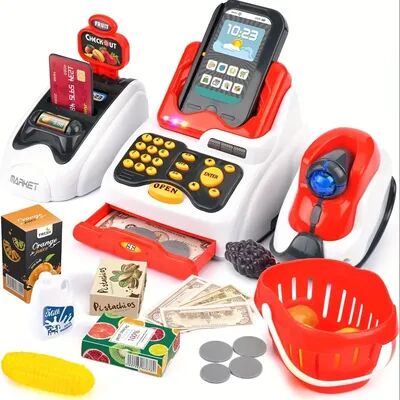
Perfect Picks Market Toy Cash Register For Kids, Checkout Scanner, Play Money Food Set, , Credit Card Machine, Fruit Card Reader Toy Cash Register For Kids, Checkout Scanner, Play Money Food Set, , Credit Card Machine, Fruit Card ReaderEngage Your Child with Playful Learning The 33PCS Toy Cash Register for Kids with Checkout Scanner is a perfect way to help children develop essential skills while having fun! Designed for little ones, this interactive toy includes a realistic...59,97 $*Shipping: 0,00 $Secure redirect to the provider
-
Harriman House The Psychology of Money, Atomic Habits & The Courage to Be Disliked – 3 Book Collection Set Bestselling Self-Development, Personal Finance, Self-HelUpgrade your mindset, habits, and financial thinking with this powerful 3-book collection set, featuring three of the most influential modern self-development titles. This essential bundle includes: The Psychology of Money by Morgan Housel – Discover how emotions and behaviour shape financial decisions and long-term wealth. Atomic Habits by James Clear – Learn how small habits can create powerful, lasting change. The Courage to Be Disliked by Ichiro Kishimi & Fumitake Koga** – Explore a transformative approach to happiness, freedom, and self-acceptance based on Adlerian psychology. Together, these books offer a complete guide to financial wisdom, personal growth, emotional resilience, and habit-building, making this set ideal for anyone looking to improve their life and mindset. Why Readers Love This Collection: Includes 3 bestselling modern self-development books Covers money, habits, mindset, and personal freedom Practical, easy-to-apply life lessons Perfect for beginners and experienced readers alike Ideal gift for motivation and self-improvement A must-have for anyone on a journey of personal growth, this collection delivers powerful insights for building a better, more successful life.22,99 £*Shipping: 2,99 £Secure redirect to the provider
-
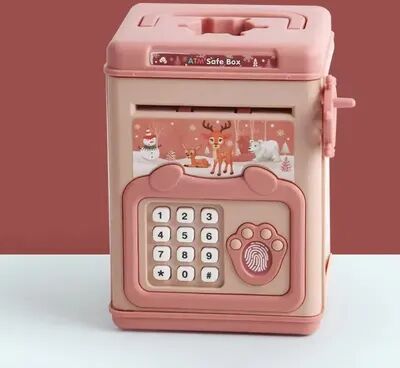
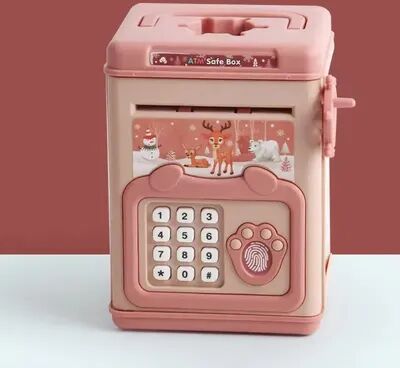
Tiny Tots Teens Trends Smart Fingerprint Piggy Bank, Automatic Banking Children's Gift Box pinkIntroduce your child to the world of savings with the Electronic Piggy Bank the perfect tool for teaching financial responsibility in a fun and secure way. This Children's Cash Box offers a unique, smart fingerprint password lock system, providing...92,97 $*Shipping: 0,00 $Secure redirect to the provider
-
Uttermost Pachira Money TreeKnown For Its Luck And Feng Shui, The Money Tree Plant Features A Lush Green Foliage With An Airy Quality. Planted Into A Glossy White Bowl With Faux Soil. Uttermost's Botanicals Combine Premium Quality Materials With Unique High-style Design.499,20 $*Shipping: 0,00 $Secure redirect to the provider


-
Were the Greeks Germanic?
No, the Greeks were not Germanic. The Greeks were an ancient civilization that originated in the Mediterranean region, while the Germanic peoples were a group of tribes that originated in northern Europe. The Greeks had their own distinct language, culture, and history, which were different from those of the Germanic peoples. Therefore, it is not accurate to classify the Greeks as Germanic. **
-
What is Germanic Neopaganism?
Germanic Neopaganism is a modern revival of the pre-Christian religious practices and beliefs of the Germanic peoples. It encompasses a variety of traditions and practices inspired by the ancient Germanic cultures, including Norse, Anglo-Saxon, and Continental Germanic traditions. Followers of Germanic Neopaganism often worship a pantheon of gods and goddesses, honor their ancestors, and celebrate seasonal festivals. It is a decentralized and diverse movement, with different groups and individuals interpreting and practicing the faith in their own unique ways. **
-
Are Germans Germanic or Celtic?
Germans are considered Germanic, not Celtic. The Germanic peoples are a group of Northern European tribes that share a common linguistic and cultural heritage. The Celts, on the other hand, were a distinct group of people who inhabited parts of Western Europe, including modern-day France, Ireland, and the British Isles. Germans are descendants of the Germanic tribes that settled in the region that is now Germany. **
-
Are Austrians Germanic or Slavic?
Austrians are considered to be primarily Germanic. The majority of the population in Austria speaks German as their first language and shares cultural and historical ties with other Germanic-speaking countries. However, due to its location in Central Europe, Austria has also been influenced by Slavic cultures, particularly in regions bordering countries like Slovenia and the Czech Republic. **


What are the Germanic peoples?
The Germanic peoples were a group of Indo-European tribes who originated in Northern Europe. They spoke Germanic languages and shared cultural and linguistic similarities. They played a significant role in shaping the history of Europe, with various Germanic tribes establishing kingdoms and empires across the continent. Some well-known Germanic tribes include the Franks, Goths, Vandals, and Saxons. **
Are the Poles also Germanic?
No, the Poles are not considered Germanic. The Polish people are of Slavic descent, with their own unique language, culture, and history. While Poland has been influenced by Germanic peoples throughout history, particularly in border regions, the majority of the Polish population is Slavic. **
Top-Angebote
Products related to Germanic:
-
Simon & Schuster Money: A Story of Humanity by David McWilliams Economic History & Global Finance ExplainedIn Money: A Story of Humanity, renowned economist David McWilliams explores the fascinating history of money — not just as currency, but as a powerful force that has shaped human civilisation, relationships, technology, and global society. From ancient barter systems to cryptocurrency revolutions, McWilliams reveals how money reflects our values, ambitions, fears, politics, and culture.Rich with storytelling, sharp insights, and humour, this book makes complex economic ideas accessible, engaging, and deeply human. Perfect for readers who enjoy exploring how history, psychology, markets, and power intersect, Money: A Story of Humanity provides a fresh, eye-opening look at how money drives — and is driven by — human behaviour. Ideal for fans of Yuval Noah Harari, Tim Harford, Niall Ferguson, and Mary Beard.7,99 £*Shipping: 2,99 £Secure redirect to the provider
-
Inspire Daily Merch Smart Fingerprint Bank Childrens Cash Box Electronic Money Box Password Safe Automatic Banking pinkUnlock Smart Savings with the Electronic Piggy Bank Introducing the Electronic Piggy Bank, a revolutionary way for children to save money securely. This Children's Cash Box combines technology and fun, teaching kids the importance of saving with...37,97 $*Shipping: 0,00 $Secure redirect to the provider
-
Perfect Picks Market Toy Cash Register For Kids, Checkout Scanner, Play Money Food Set, , Credit Card Machine, Fruit Card Reader Toy Cash Register For Kids, Checkout Scanner, Play Money Food Set, , Credit Card Machine, Fruit Card ReaderEngage Your Child with Playful Learning The 33PCS Toy Cash Register for Kids with Checkout Scanner is a perfect way to help children develop essential skills while having fun! Designed for little ones, this interactive toy includes a realistic...59,97 $*Shipping: 0,00 $Secure redirect to the provider
-
Harriman House The Psychology of Money, Atomic Habits & The Courage to Be Disliked – 3 Book Collection Set Bestselling Self-Development, Personal Finance, Self-HelUpgrade your mindset, habits, and financial thinking with this powerful 3-book collection set, featuring three of the most influential modern self-development titles. This essential bundle includes: The Psychology of Money by Morgan Housel – Discover how emotions and behaviour shape financial decisions and long-term wealth. Atomic Habits by James Clear – Learn how small habits can create powerful, lasting change. The Courage to Be Disliked by Ichiro Kishimi & Fumitake Koga** – Explore a transformative approach to happiness, freedom, and self-acceptance based on Adlerian psychology. Together, these books offer a complete guide to financial wisdom, personal growth, emotional resilience, and habit-building, making this set ideal for anyone looking to improve their life and mindset. Why Readers Love This Collection: Includes 3 bestselling modern self-development books Covers money, habits, mindset, and personal freedom Practical, easy-to-apply life lessons Perfect for beginners and experienced readers alike Ideal gift for motivation and self-improvement A must-have for anyone on a journey of personal growth, this collection delivers powerful insights for building a better, more successful life.22,99 £*Shipping: 2,99 £Secure redirect to the provider
-
Were the Germanic people Vikings, or were the Vikings Germanic?
The Germanic people were a group of tribes that lived in Northern Europe, including modern-day Germany, Scandinavia, and the Netherlands. The Vikings were a specific group of people within the broader Germanic culture, known for their seafaring and raiding activities. So, the Vikings were a subset of the Germanic people, and not all Germanic people were Vikings. **
-
Are the Celts Germanic?
No, the Celts are not Germanic. The Celts were a distinct group of people who originated in Central Europe and spread across much of Western Europe, including areas that are now part of modern-day France, Spain, and the British Isles. The Germanic peoples, on the other hand, originated in northern Europe and eventually spread into areas that are now part of modern-day Germany, Scandinavia, and the Netherlands. While the Celts and Germanic peoples may have had some interactions and influences on each other, they are considered to be separate and distinct cultural and linguistic groups. **
-
Were the Greeks Germanic?
No, the Greeks were not Germanic. The Greeks were an ancient civilization that originated in the Mediterranean region, while the Germanic peoples were a group of tribes that originated in northern Europe. The Greeks had their own distinct language, culture, and history, which were different from those of the Germanic peoples. Therefore, it is not accurate to classify the Greeks as Germanic. **
-
What is Germanic Neopaganism?
Germanic Neopaganism is a modern revival of the pre-Christian religious practices and beliefs of the Germanic peoples. It encompasses a variety of traditions and practices inspired by the ancient Germanic cultures, including Norse, Anglo-Saxon, and Continental Germanic traditions. Followers of Germanic Neopaganism often worship a pantheon of gods and goddesses, honor their ancestors, and celebrate seasonal festivals. It is a decentralized and diverse movement, with different groups and individuals interpreting and practicing the faith in their own unique ways. **
Similar search terms for Germanic
-
Tiny Tots Teens Trends Smart Fingerprint Piggy Bank, Automatic Banking Children's Gift Box pinkIntroduce your child to the world of savings with the Electronic Piggy Bank the perfect tool for teaching financial responsibility in a fun and secure way. This Children's Cash Box offers a unique, smart fingerprint password lock system, providing...92,97 $*Shipping: 0,00 $Secure redirect to the provider
-
Uttermost Pachira Money TreeKnown For Its Luck And Feng Shui, The Money Tree Plant Features A Lush Green Foliage With An Airy Quality. Planted Into A Glossy White Bowl With Faux Soil. Uttermost's Botanicals Combine Premium Quality Materials With Unique High-style Design.499,20 $*Shipping: 0,00 $Secure redirect to the provider
-
John Murray Happy Money: The Japanese Art of Making Peace with Your MoneyLook around you - what do you see? You may discover to your surprise that the people who are most at peace with money are the ones who walk nimbly between having too little and having too much. They have found a balance between indulgence and austerity; between success and happiness; between motivation and inspiration; and between any number of other poles we tend to think of as either/or choices, but which in reality are simply posts on either side of a doorway through which we must pass. For many of us the subject of money is unavoidably stressful. Managing our personal finances is complicated, time consuming and often, particularly in the slow countdown to pay day, dispiriting. The good news is that in Japan - where a Zen approach to life is more widely practiced - a pathway to a better relationship with money is being carved, by Ken Honda. This beautifully written book will reinvent the way you see your personal finances. You will come to understand that money flows like water and arrives like a guest. You'll rethink your own attitudes and examine the way they were shaped by beliefs about money you were taught as a child. When we heal the fear and anxiety we have about money, we successfully achieve prosperity and peace. Take the zen path to financial security and happiness.5,95 £*Shipping: 2,99 £Secure redirect to the provider
-
Uplift Picks Party Money Gun Toy Cash Cannon With Fake Money Bills For Events pinkTurn any celebration into a highenergy moment with a fun and flashy money gun toy that steals the spotlight. This cash cannon shoots fake money bills into the air, creating instant excitement and laughter at parties and events. Easy to use and safe...112,48 $*Shipping: 0,00 $Secure redirect to the provider
-
Are Germans Germanic or Celtic?
Germans are considered Germanic, not Celtic. The Germanic peoples are a group of Northern European tribes that share a common linguistic and cultural heritage. The Celts, on the other hand, were a distinct group of people who inhabited parts of Western Europe, including modern-day France, Ireland, and the British Isles. Germans are descendants of the Germanic tribes that settled in the region that is now Germany. **
-
Are Austrians Germanic or Slavic?
Austrians are considered to be primarily Germanic. The majority of the population in Austria speaks German as their first language and shares cultural and historical ties with other Germanic-speaking countries. However, due to its location in Central Europe, Austria has also been influenced by Slavic cultures, particularly in regions bordering countries like Slovenia and the Czech Republic. **
-
What are the Germanic peoples?
The Germanic peoples were a group of Indo-European tribes who originated in Northern Europe. They spoke Germanic languages and shared cultural and linguistic similarities. They played a significant role in shaping the history of Europe, with various Germanic tribes establishing kingdoms and empires across the continent. Some well-known Germanic tribes include the Franks, Goths, Vandals, and Saxons. **
-
Are the Poles also Germanic?
No, the Poles are not considered Germanic. The Polish people are of Slavic descent, with their own unique language, culture, and history. While Poland has been influenced by Germanic peoples throughout history, particularly in border regions, the majority of the Polish population is Slavic. **
* All prices are inclusive of VAT and, if applicable, plus shipping costs. The offer information is based on the details provided by the respective shop and is updated through automated processes. Real-time updates do not occur, so deviations can occur in individual cases. ** Note: Parts of this content were created by AI.