Buy meinkredit.eu ?
We are moving the project
meinkredit.eu .
Are you interested in purchasing the domain
meinkredit.eu ?
domain@kv-gmbh.de · 0541-91531010
Buy meinkredit.eu ?
What are chamfers on a workpiece?
Chamfers are beveled edges or corners on a workpiece that are created by cutting away material at a 45-degree angle. Chamfers are often added to workpieces to remove sharp edges, improve aesthetics, and make assembly easier by allowing parts to fit together more smoothly. They can be created using various tools such as chamfer mills, countersinks, or hand tools like files or sandpaper. Chamfers are commonly used in woodworking, metalworking, and other manufacturing processes to enhance the overall quality and functionality of a part. **
How do you calculate a workpiece?
To calculate a workpiece, you need to measure its dimensions such as length, width, and height using a ruler or calipers. Then, you can calculate the volume of the workpiece by multiplying its length, width, and height. If the workpiece is irregularly shaped, you may need to use more advanced techniques such as 3D scanning or computer-aided design (CAD) software to accurately calculate its dimensions and volume. Additionally, if the workpiece is made of a specific material, you may need to calculate its weight by multiplying its volume by the density of the material. **


Similar search terms for Workpiece
Top-Angebote
Products related to Workpiece:
-
Little Kangaroo DS 9817 Wired Numeric Keypad With Backlit Keys For Finance, Banking & Office Use DS 9817Experience smoother number entry and make every task feel faster with the wired numeric keypad designed for professionals who rely on speed and accuracy. Built for accountants, bankers, cashiers, and office users, this compact keypad delivers...59,97 $*Shipping: 0,00 $Secure redirect to the provider
-
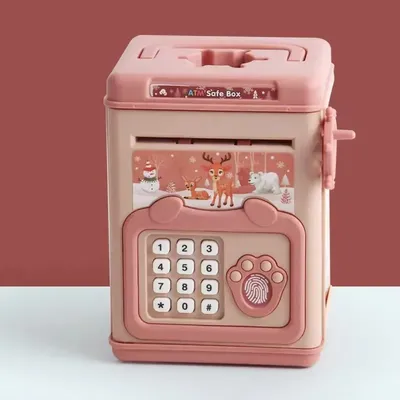
Smart Fingerprint Bank Childrens Cash Box Electronic Money Box Password Safe Automatic Banking pinkUnlock Smart Savings with the Electronic Piggy Bank Introducing the Electronic Piggy Bank, a revolutionary way for children to save money securely. This Children's Cash Box combines technology and fun, teaching kids the importance of saving with...37,97 $*Shipping: 0,00 $Secure redirect to the provider
-
Simon & Schuster Money: A Story of Humanity by David McWilliams Economic History & Global Finance ExplainedIn Money: A Story of Humanity, renowned economist David McWilliams explores the fascinating history of money — not just as currency, but as a powerful force that has shaped human civilisation, relationships, technology, and global society. From ancient barter systems to cryptocurrency revolutions, McWilliams reveals how money reflects our values, ambitions, fears, politics, and culture.Rich with storytelling, sharp insights, and humour, this book makes complex economic ideas accessible, engaging, and deeply human. Perfect for readers who enjoy exploring how history, psychology, markets, and power intersect, Money: A Story of Humanity provides a fresh, eye-opening look at how money drives — and is driven by — human behaviour. Ideal for fans of Yuval Noah Harari, Tim Harford, Niall Ferguson, and Mary Beard.7,99 £*Shipping: 2,99 £Secure redirect to the provider
-
Slim Stainless Steel Money Clip Wallet Credit Card Holder For Men Slim Stainless Steel Money Clip Wallet Credit Card Holder For MenTired of bulky pockets and overstuffed wallets This sleek slim money clip is made for anyone who wants to carry cash and cards in a cleaner, lighter way. Crafted in silvertone stainless steel, it offers a simple everyday solution for holding folded...39,97 $*Shipping: 0,00 $Secure redirect to the provider



-
What is a workpiece for wind energy?
A workpiece for wind energy refers to the component or part that is being manufactured or assembled for use in a wind turbine or other wind energy system. This could include the blades, tower sections, nacelle, or other parts that make up the overall wind turbine. The workpiece is typically fabricated using materials such as fiberglass, carbon fiber, steel, or aluminum, and must be designed to withstand the harsh environmental conditions and mechanical stresses experienced in a wind energy application. The quality and precision of the workpiece are crucial to the overall performance and reliability of the wind energy system. **
-
Do you have an idea for a metal workpiece?
Yes, I have an idea for a metal workpiece. I envision creating a decorative wall art piece using a combination of metal and wood. The metal portion would be intricately cut and shaped to form a nature-inspired design, such as a tree or a mountain landscape, while the wood would provide a warm and natural backdrop. This piece would be a unique and eye-catching addition to any home or office space. **
-
How do you calculate the volume of a workpiece?
To calculate the volume of a workpiece, you would first need to measure the length, width, and height of the workpiece using a ruler or measuring tape. Once you have these measurements, you would then multiply the length by the width and then by the height to get the volume. For example, if the workpiece measures 5 inches in length, 3 inches in width, and 4 inches in height, the volume would be 5 x 3 x 4 = 60 cubic inches. This calculation gives you the total amount of space the workpiece occupies. **
-
How do you calculate the volume of this workpiece?
To calculate the volume of the workpiece, you would first need to measure the length, width, and height of the workpiece using a ruler or measuring tape. Once you have these measurements, you would then multiply the length by the width and then multiply that result by the height. This will give you the volume of the workpiece in cubic units (such as cubic inches or cubic centimeters). If the workpiece has a more complex shape, you may need to use a different method, such as measuring displacement in water or using a 3D scanner to create a digital model for volume calculation. **


Does the electrode touch the workpiece during gas shielded welding?
No, the electrode does not touch the workpiece during gas shielded welding. In gas shielded welding, such as MIG (Metal Inert Gas) or TIG (Tungsten Inert Gas) welding, the electrode is held at a distance from the workpiece. The heat generated by the electric arc melts the electrode and the workpiece, creating a weld without the need for the electrode to physically touch the workpiece. The gas shield surrounding the weld area protects the molten metal from atmospheric contamination, ensuring a strong and clean weld. **
How do you turn a workpiece that is spinning away?
To turn a workpiece that is spinning away, you would need to use a lathe or a similar turning machine. First, you would secure the workpiece in the chuck or between centers of the lathe. Then, you would use the lathe's controls to adjust the speed and direction of the spinning workpiece. By carefully manipulating the controls, you can bring the spinning workpiece under control and begin the turning process. It's important to follow proper safety procedures and have a good understanding of the machine before attempting to turn a spinning workpiece. **
Top-Angebote
Products related to Workpiece:
-
Lathe Steady Rest Fixed Centre Frame For Long Workpiece Support Lathe Steady Rest Fixed Centre Frame For Long Workpiece SupportWork with more control, confidence, and accuracy when turning longer parts on your lathe. This lathe steady rest is designed to mount to compatible WM210Vstyle lathes, helping support workpieces that are too long for the chuck alone. Built for hobby...139,97 $*Shipping: 0,00 $Secure redirect to the provider
-
G Shaped Mini C Fixture Clamp With Sliding T Handle Heavy Duty Woodworking, Welding & Metal Workpiece Tool G Shaped Mini C Fixture Clamp With Sliding T Handle Heavy Duty Woodworking, Welding & Metal Workpiece ToolGet a secure hold on workpieces with this Gshaped mini Cfixture clamp, designed for precision and strength in woodworking, welding, and metal fabrication tasks. The sliding Thandle offers quick adjustment and powerful clamping pressure, making it...34,99 $*Shipping: 0,00 $Secure redirect to the provider
-
Little Kangaroo DS 9817 Wired Numeric Keypad With Backlit Keys For Finance, Banking & Office Use DS 9817Experience smoother number entry and make every task feel faster with the wired numeric keypad designed for professionals who rely on speed and accuracy. Built for accountants, bankers, cashiers, and office users, this compact keypad delivers...59,97 $*Shipping: 0,00 $Secure redirect to the provider
-
Smart Fingerprint Bank Childrens Cash Box Electronic Money Box Password Safe Automatic Banking pinkUnlock Smart Savings with the Electronic Piggy Bank Introducing the Electronic Piggy Bank, a revolutionary way for children to save money securely. This Children's Cash Box combines technology and fun, teaching kids the importance of saving with...37,97 $*Shipping: 0,00 $Secure redirect to the provider
-
What are chamfers on a workpiece?
Chamfers are beveled edges or corners on a workpiece that are created by cutting away material at a 45-degree angle. Chamfers are often added to workpieces to remove sharp edges, improve aesthetics, and make assembly easier by allowing parts to fit together more smoothly. They can be created using various tools such as chamfer mills, countersinks, or hand tools like files or sandpaper. Chamfers are commonly used in woodworking, metalworking, and other manufacturing processes to enhance the overall quality and functionality of a part. **
-
How do you calculate a workpiece?
To calculate a workpiece, you need to measure its dimensions such as length, width, and height using a ruler or calipers. Then, you can calculate the volume of the workpiece by multiplying its length, width, and height. If the workpiece is irregularly shaped, you may need to use more advanced techniques such as 3D scanning or computer-aided design (CAD) software to accurately calculate its dimensions and volume. Additionally, if the workpiece is made of a specific material, you may need to calculate its weight by multiplying its volume by the density of the material. **
-
What is a workpiece for wind energy?
A workpiece for wind energy refers to the component or part that is being manufactured or assembled for use in a wind turbine or other wind energy system. This could include the blades, tower sections, nacelle, or other parts that make up the overall wind turbine. The workpiece is typically fabricated using materials such as fiberglass, carbon fiber, steel, or aluminum, and must be designed to withstand the harsh environmental conditions and mechanical stresses experienced in a wind energy application. The quality and precision of the workpiece are crucial to the overall performance and reliability of the wind energy system. **
-
Do you have an idea for a metal workpiece?
Yes, I have an idea for a metal workpiece. I envision creating a decorative wall art piece using a combination of metal and wood. The metal portion would be intricately cut and shaped to form a nature-inspired design, such as a tree or a mountain landscape, while the wood would provide a warm and natural backdrop. This piece would be a unique and eye-catching addition to any home or office space. **
Similar search terms for Workpiece
-
Simon & Schuster Money: A Story of Humanity by David McWilliams Economic History & Global Finance ExplainedIn Money: A Story of Humanity, renowned economist David McWilliams explores the fascinating history of money — not just as currency, but as a powerful force that has shaped human civilisation, relationships, technology, and global society. From ancient barter systems to cryptocurrency revolutions, McWilliams reveals how money reflects our values, ambitions, fears, politics, and culture.Rich with storytelling, sharp insights, and humour, this book makes complex economic ideas accessible, engaging, and deeply human. Perfect for readers who enjoy exploring how history, psychology, markets, and power intersect, Money: A Story of Humanity provides a fresh, eye-opening look at how money drives — and is driven by — human behaviour. Ideal for fans of Yuval Noah Harari, Tim Harford, Niall Ferguson, and Mary Beard.7,99 £*Shipping: 2,99 £Secure redirect to the provider
-
Slim Stainless Steel Money Clip Wallet Credit Card Holder For Men Slim Stainless Steel Money Clip Wallet Credit Card Holder For MenTired of bulky pockets and overstuffed wallets This sleek slim money clip is made for anyone who wants to carry cash and cards in a cleaner, lighter way. Crafted in silvertone stainless steel, it offers a simple everyday solution for holding folded...39,97 $*Shipping: 0,00 $Secure redirect to the provider
-
Stainless Steel Credit Card Holder Wallet, Double Sided Money Clip, Slim Design Stainless Steel Credit Card Holder Wallet, Double Sided Money Clip, Slim DesignSlim Everyday Organization Made Simple Designed for women who value style and function, this 1 pc Double Sided Money Clip keeps essentials neatly secured without bulk. The clean profile slips easily into handbags or pockets, offering a smarter...29,97 $*Shipping: 0,00 $Secure redirect to the provider
-
Men's RFID Blocking Slim Carbon Fiber Wallet With Money Clip Stainless Steel Credit Card Holder Men's RFID Blocking Slim Carbon Fiber Wallet With Money Clip Stainless Steel Credit Card HolderProtect Your Cards in Style with Our RFID Blocking Slim Wallet Elevate your everyday carry with our Men's RFID Blocking Slim Carbon Fiber Wallet, designed for the modern man who values security and sophistication. Key Features: RFID Blocking...24,97 $*Shipping: 0,00 $Secure redirect to the provider
-
How do you calculate the volume of a workpiece?
To calculate the volume of a workpiece, you would first need to measure the length, width, and height of the workpiece using a ruler or measuring tape. Once you have these measurements, you would then multiply the length by the width and then by the height to get the volume. For example, if the workpiece measures 5 inches in length, 3 inches in width, and 4 inches in height, the volume would be 5 x 3 x 4 = 60 cubic inches. This calculation gives you the total amount of space the workpiece occupies. **
-
How do you calculate the volume of this workpiece?
To calculate the volume of the workpiece, you would first need to measure the length, width, and height of the workpiece using a ruler or measuring tape. Once you have these measurements, you would then multiply the length by the width and then multiply that result by the height. This will give you the volume of the workpiece in cubic units (such as cubic inches or cubic centimeters). If the workpiece has a more complex shape, you may need to use a different method, such as measuring displacement in water or using a 3D scanner to create a digital model for volume calculation. **
-
Does the electrode touch the workpiece during gas shielded welding?
No, the electrode does not touch the workpiece during gas shielded welding. In gas shielded welding, such as MIG (Metal Inert Gas) or TIG (Tungsten Inert Gas) welding, the electrode is held at a distance from the workpiece. The heat generated by the electric arc melts the electrode and the workpiece, creating a weld without the need for the electrode to physically touch the workpiece. The gas shield surrounding the weld area protects the molten metal from atmospheric contamination, ensuring a strong and clean weld. **
-
How do you turn a workpiece that is spinning away?
To turn a workpiece that is spinning away, you would need to use a lathe or a similar turning machine. First, you would secure the workpiece in the chuck or between centers of the lathe. Then, you would use the lathe's controls to adjust the speed and direction of the spinning workpiece. By carefully manipulating the controls, you can bring the spinning workpiece under control and begin the turning process. It's important to follow proper safety procedures and have a good understanding of the machine before attempting to turn a spinning workpiece. **
* All prices are inclusive of VAT and, if applicable, plus shipping costs. The offer information is based on the details provided by the respective shop and is updated through automated processes. Real-time updates do not occur, so deviations can occur in individual cases. ** Note: Parts of this content were created by AI.